ANALYSIS
How Provincial Rules Change Your Loan Terms
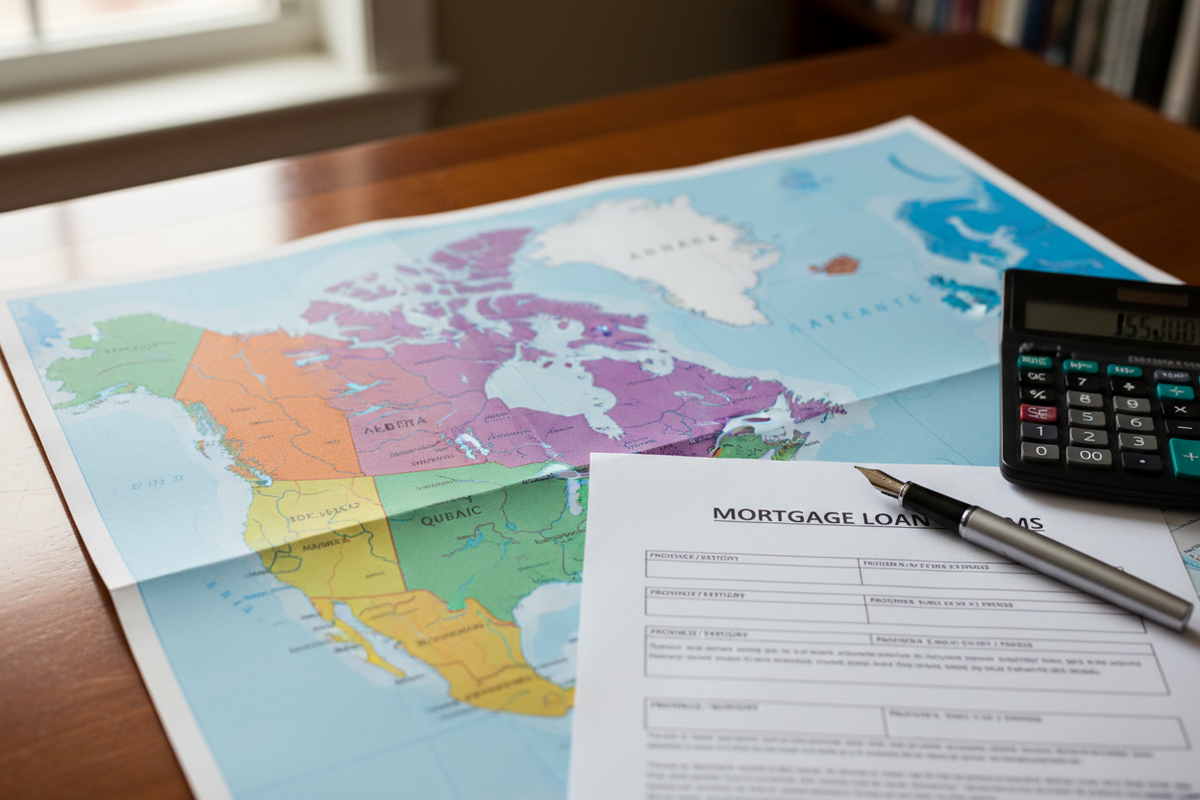
When it comes to borrowing money in Canada, many people don't realize that the rules governing loans vary significantly from province to province. What's permitted in one province might be restricted in another, and interest rate caps, disclosure requirements, and lending practices can differ dramatically across the country. Understanding these provincial differences is crucial if you want to make informed decisions about your loans and ensure you're getting fair terms.
Whether you're applying for a personal loan, mortgage, or line of credit, the province where you live plays a major role in determining what lenders can and cannot do. This guide will help you understand how provincial regulations shape your loan terms and what you should know before signing any agreement.
Interest Rate Caps and Maximum Charges
One of the most significant ways provincial rules affect your loans is through interest rate regulations. Each province sets its own maximum allowable interest rates for different types of loans. Some provinces have strict caps on what lenders can charge, while others allow more flexibility. These caps directly impact how much you'll pay over the life of your loan, making it essential to understand your province's specific limits.
Disclosure and Transparency Requirements
Provincial regulations also dictate what information lenders must disclose to borrowers before you sign on the dotted line. Some provinces require detailed breakdowns of all fees, charges, and the true cost of borrowing, while others have less stringent requirements. These disclosure rules protect you by ensuring you understand exactly what you're agreeing to and can compare offers from different lenders fairly.
Cooling-Off Periods and Consumer Protections
Many provinces offer borrowers a cooling-off period a set amount of time after signing a loan agreement during which you can change your mind without penalty. The length of this period and the conditions under which it applies vary by province. Some provinces also have additional consumer protections that limit what lenders can do if you fall behind on payments.
Prepayment Penalties and Early Repayment Rules
If you want to pay off your loan early, provincial rules determine whether your lender can charge you a penalty and how much that penalty can be. Some provinces restrict prepayment penalties significantly, while others allow lenders more freedom to charge fees for early repayment. Knowing your province's rules on this can save you money if you plan to pay off your loan ahead of schedule.
What You Should Do
Before taking out any loan, take time to research the specific regulations that apply in your province. Ask your lender about interest rate caps, required disclosures, and any cooling-off periods you're entitled to. Understanding these provincial rules empowers you to negotiate better terms and avoid unfair lending practices.
NEXT STEP
See your number before a lender does
WHERE WE WORK
Visit the desk
OFFICE
600-2000 Avenue McGill Collège Montreal, Quebec Canada
HOURS
Mon to Fri, 9:00 to 17:00
Get Directions